
Daily Habits That Help Maintain Healthy Blood Sugar Levels
Maintaining healthy blood sugar levels isn’t just a concern for people already diagnosed with diabetes. Millions of adults in the U.S. struggle with energy crashes, stubborn weight gain, sugar cravings, and brain fog—often linked to poor blood sugar balance. The good news? Simple, consistent daily habits can significantly improve your blood sugar management and overall wellness.
If you’re looking for practical, sustainable ways to support glucose balance, start here.
1. Move Your Body Every Day
Daily movement is one of the most powerful tools for improving insulin sensitivity. Physical activity helps your muscles use glucose for energy, lowering blood sugar levels naturally.
The American Diabetes Association confirms that regular aerobic activity improves glycemic control and insulin sensitivity (1). Even 30 minutes of brisk walking, 5 days a week, can make a meaningful difference.
Daily movement tip: Walk after meals to reduce post-meal blood sugar spikes.
2. Focus on Fiber-Rich Foods
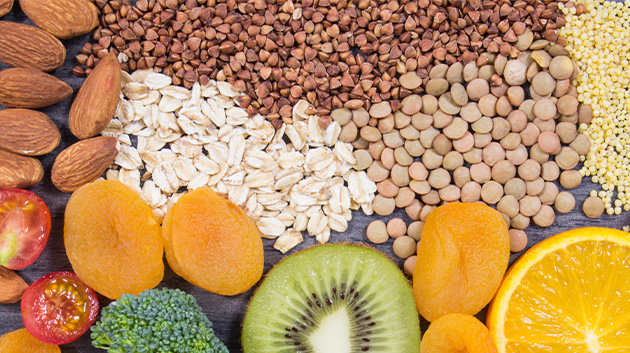
Not all carbohydrates are equal. Fiber slows digestion and glucose absorption, preventing sharp spikes and crashes.
Harvard T.H. Chan School of Public Health explains that high-fiber foods help stabilize blood sugar levels and improve metabolic health (2).
Include:
- Oats
- Beans and lentils
- Leafy greens
- Berries
- Chia seeds
This supports long-term blood sugar wellness and reduces cravings.
3. Stay Hydrated
Hydration habits play a bigger role than many realize. The CDC notes that adequate water intake supports glucose regulation and overall metabolic function (3).
When you’re dehydrated, blood sugar levels can rise because glucose becomes more concentrated in the bloodstream.
Simple habit: Replace sugary beverages with water or unsweetened herbal tea
4. Prioritize Quality Sleep
Sleep and blood sugar balance are deeply connected. Poor sleep can increase insulin resistance and appetite hormones.
The National Sleep Foundation highlights how insufficient sleep negatively impacts glucose metabolism (4).
Aim for 7–9 hours of consistent, quality sleep each night to support blood sugar management and reduce late-night cravings.

5. Manage Stress Levels
Chronic stress raises cortisol, which can increase blood glucose levels. The CDC confirms that stress hormones can affect blood sugar regulation (5).
Daily stress-reduction habits such as deep breathing, short walks, journaling, or prayer can support healthier glucose levels.
6. Choose Balanced Meals
Balanced meals that combine protein, healthy fats, and complex carbohydrates help maintain healthy blood sugar levels.
The American Diabetes Association recommends pairing carbohydrates with protein or fat to slow glucose absorption (1).
For example:
- Apple + almond butter
- Brown rice + grilled chicken + vegetables
- Greek yogurt + berries + nuts
This approach reduces dramatic spikes and energy crashes.
7. Support Your Lifestyle with Targeted Nutrients
Even with healthy daily habits, modern lifestyles can make optimal blood sugar balance challenging. Certain plant-based ingredients such as Gymnema sylvestre and green tea extract have been studied for their role in supporting healthy glucose metabolism (6,7).
When used alongside proper diet and lifestyle habits, targeted supplements like Gluco Control are designed to complement your routine and help you stay consistent. It’s not a replacement for healthy habits—it’s a supportive tool for those committed to long-term blood sugar wellness.
Maintaining healthy blood sugar levels comes down to consistency.
✔ Daily movement
✔ Fiber-rich foods
✔ Hydration habits
✔ 7–9 hours of sleep
✔ Stress management
✔ Balanced meals
If you’ve been struggling with cravings, fatigue, or weight fluctuations, small daily changes can create powerful long-term results.
Healthy blood sugar balance is not about perfection—it’s about building sustainable habits that work for your life.
References
- American Diabetes Association. Standards of Care in Diabetes—2023. Diabetes Care.
- Harvard T.H. Chan School of Public Health. Carbohydrates and Blood Sugar.
- Centers for Disease Control and Prevention (CDC). Managing Diabetes: Water & Diabetes.
- National Sleep Foundation. Sleep and Blood Sugar.
- Centers for Disease Control and Prevention (CDC). Diabetes and Stress.
- Leach MJ. Gymnema sylvestre for diabetes mellitus. Cochrane Database of Systematic Reviews.
7. Hursel R, Westerterp-Plantenga MS. Green tea catechins and metabolic health. American Journal of Clinical Nutrition.
Today, I went to the beachfront with my kids. I found a sea shell and gave it to my 4 year old daughter and said “You can hear the ocean if you put this to your ear.” She
put the shell to her ear and screamed. There was a hermit crab inside and it pinched
her ear. She never wants to go back! LoL I
know this is entirely off topic but I had to tell someone!